The Phantom Pipes

A Mundane Screenshot That Changed Everything

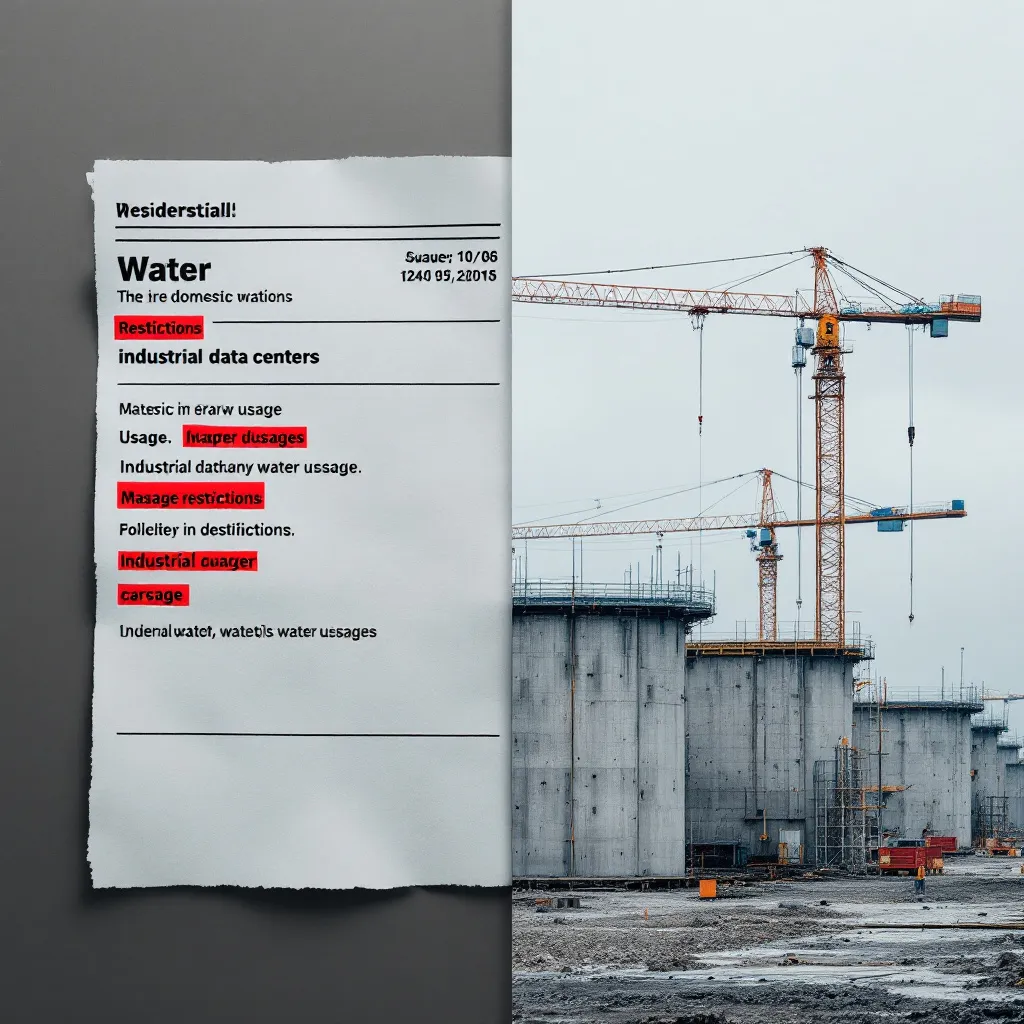
May 2026. A Facebook post in a Fayetteville, Georgia community group. A screenshot of a county letter. The kind of document buried in zoning meetings and PDFs nobody reads.

But the numbers were staggering: 29 million gallons of water consumed. Zero dollars paid. Four to fifteen months untracked.

Quality Technology Services—a data center giant—had been drinking from two industrial water lines. One installed without the utility's knowledge. The other vanished from the billing system during a software transition.

Forty-four Olympic swimming pools. Gone.

0
gallons disappeared

Emergency Conditions

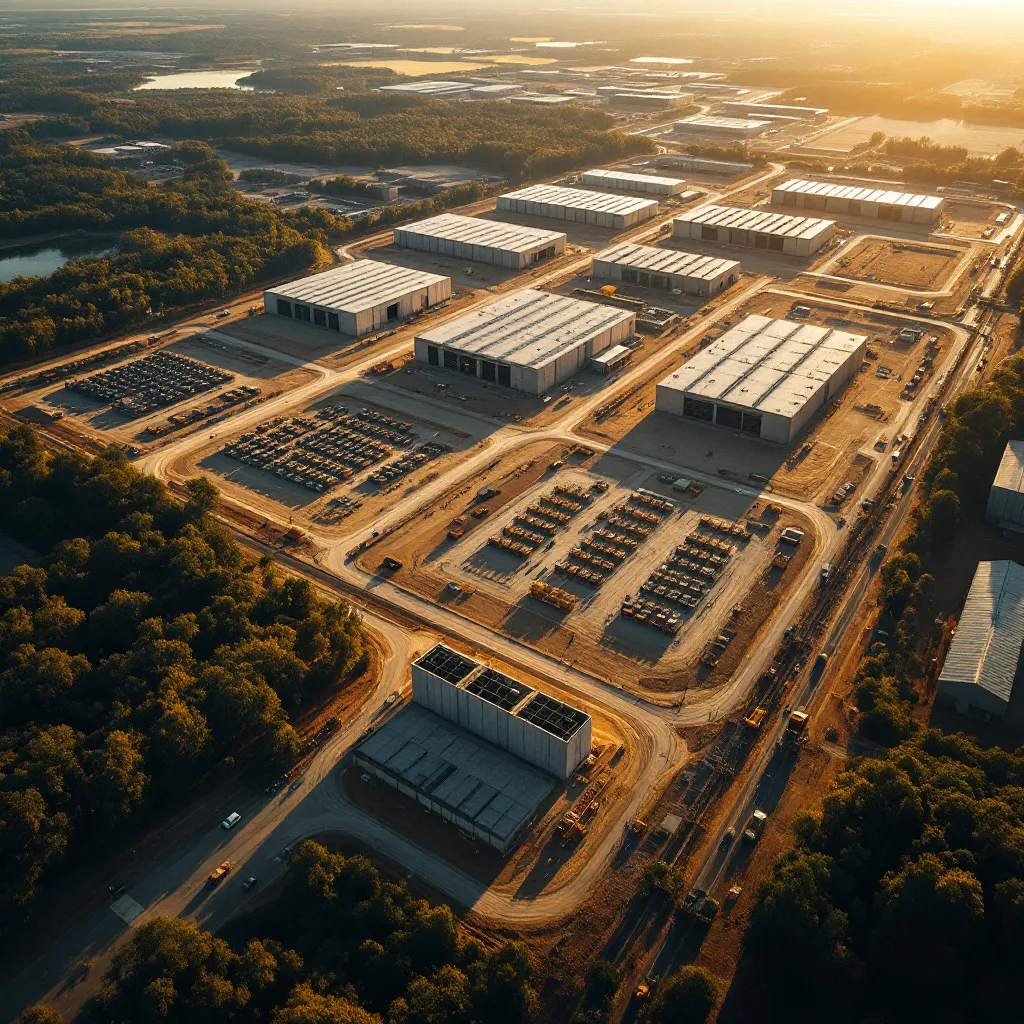
To understand why 29 million missing gallons mattered, you need to know what else was happening. Georgia in early 2026: severe drought, wildfire risk at emergency levels, governor's state of emergency declared. Every Fayette County resident got the same message—limit outdoor watering to two days a week. Conserve. Every drop counts. The state was asking families to let their lawns die while construction crews poured concrete and suppressed dust at a 615-acre data center campus nobody was monitoring.
The Perfect Storm

Fayette County is not an industrial metropolis. It's a bedroom community south of Atlanta where the water system was designed for lawns and laundry machines, not hyperscale server farms. When the county transitioned to a new smart metering system, the QTS connections fell through the cracks. One hookup was installed entirely off the books. The other existed physically—plumbed and flowing—but was digitally invisible. No billing account. No usage tracking. No alarms. The water just flowed.

Scale Beyond Comprehension

Twenty-nine million gallons. Enough water to supply roughly 200 households for an entire year. Enough to fill the Empire State Building's water tanks sixteen times over. And in a county asking residents to let their lawns go brown, it represented either catastrophic oversight failure or something that looked an awful lot like preferential treatment. Probably both. The construction stretched across 2025 into 2026—a period that included Georgia's worsening drought and wildfire emergency. While billboards urged shorter showers, two phantom pipes pumped millions into a construction site most residents couldn't locate on a map.

They Turned On Their Faucets

Chrome faucet with low water pressure trickling

Annelise Park subdivision. The first to notice something wrong.

Not through sophisticated monitoring. Not through EPA whistleblowers or regulatory audits. Just the oldest detection method: they turned on their faucets and the water trickled out.

Low pressure is usually a maintenance backlog issue—a valve, a pressure zone problem. But persistent problems across multiple homes? That warranted investigation.

County workers traced it back through the distribution system and found the QTS facility drawing massive amounts through connections that shouldn't have been operating that way.

The Invisible Consumption
Estimated monthly water consumption at QTS facility during unmonitored period (millions of gallons)
1.8
May 2025
2.1
Jun 2025
2.4
Jul 2025
2.6
Aug 2025
2.3
Sep 2025
2
Oct 2025
1.9
Nov 2025
2.2
Dec 2025
2.5
Jan 2026
2.7
Feb 2026
2.8
Mar 2026
2.9
Apr 2026
2.8
May 2026

The Post That Broke the Story

Posted: May 2026 / Fayetteville Community Group / Public Records Request
$147,474
bill for unbilled usage
29 million
gallons
4–15 months
untracked
Hand holding smartphone displaying water usage document

You had residents being told to conserve water during a drought and state of emergency. And at the same time, a major corporation was consuming water equivalent to 44 Olympic swimming pools—completely unchecked. The inequity was just staggering.

UCLA water policy expert

$147,474

That was the bill. The entire consequence for 29 million gallons of unbilled water during a statewide drought emergency. QTS acknowledged the problem and paid. Calculated at a higher construction rate, not even standard commercial tariff. No fines. No penalties. No regulatory consequences. Just a water bill.

Customer Service

County officials explained their decision in terms that would become infamous. They cited the need for 'customer service' and maintaining a cooperative relationship with their largest water consumer. Water director Vanessa Tigert called it a 'procedural mix-up' during the smart meter transition—a billing glitch, not a serious violation. The rationale revealed a deeper dynamic: when your largest customer breaks the rules, calling it a mix-up rather than a violation is structural, not personal.

The Double Standard

To residents, it looked clear: homeowners facing restrictions and rate pressures while a multibillion-dollar corporation got a polite invoice for unauthorized consumption that had physically affected their daily lives. Two unauthorized connections. Months of unmonitored use that degraded service to residential customers. And the consequence was a bill that represented a fraction of a percent of QTS's project budget.

The Math

Communities hosting data centers discover a power imbalance. These facilities arrive bearing promises of jobs and tax revenue. Local governments compete aggressively to attract them. When the largest commercial customer in county history breaks the rules during a drought emergency affecting everyone else, the temptation to minimize rather than penalize isn't corruption—it's the structural logic of economic development.

From Water Pressure to Legal Pressure

01

Facebook Post

A single neighbor's complaint about low water pressure sparks recognition among dozens

02

Community Meetings

Living rooms overflow as standing-room-only gatherings replace casual coffee chats

03

Public Records Requests

Residents master FOIA law, filing dozens of requests to uncover county approvals and water permits

04

Environmental Partnership

Local activism merges with regional environmental groups and legal experts

05

Federal Lawsuit

Clean Water Act litigation filed — organized resistance the county can no longer dismiss
Community members gathered at a packed neighborhood meeting

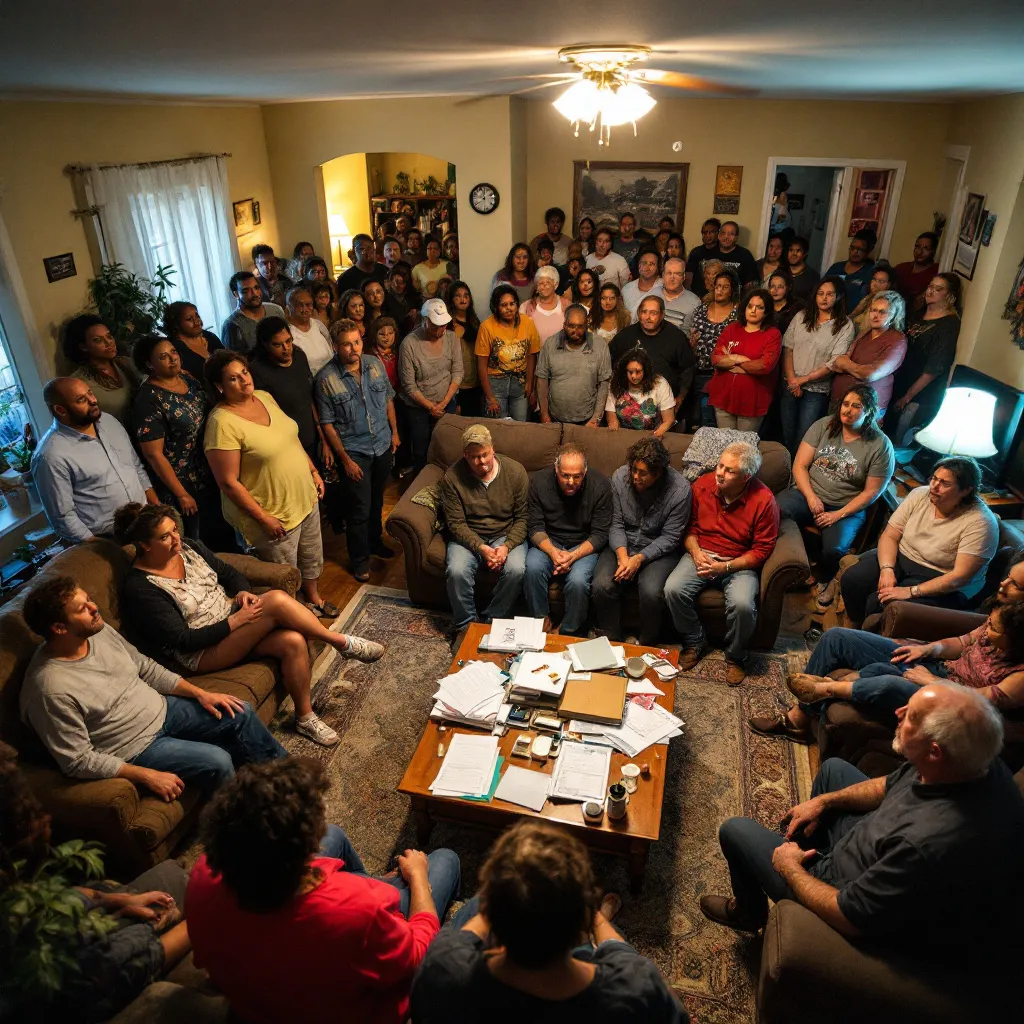
If the county wasn't going to hold QTS accountable, residents decided they would. Community meetings that once drew a dozen neighbors suddenly had standing room only. Social media groups buzzed with shared documents and organizing. The Annelise Park residents who first noticed pressure problems became unlikely activists, learning public records law, zoning appeals, Clean Water Act litigation. By July 2026, the opposition had formalized into something the county—and QTS—could no longer dismiss as NIMBY noise.

Clean Water Act Violations

Flint Riverkeeper partnered with local residents to file a federal lawsuit against QTS and its contractors. The allegations went beyond water billing: repeated and ongoing discharges of sediment-laden stormwater from the construction site, violating the Clean Water Act. The lawsuit came after the required 60-day notice period, transforming a billing dispute into a full environmental justice case.

Contaminated Runoff

Laboratory analyses of water samples from properties adjacent to the QTS site found elevated concentrations of iron and other metals. Residents described runoff with odd characteristics: coagulation, persistent bubbling, sludge material. The pollution was flowing into a tributary of Sandy Creek and nearby wetlands—watersheds feeding into drinking water sources and local ecosystems.

Prior Warnings Ignored

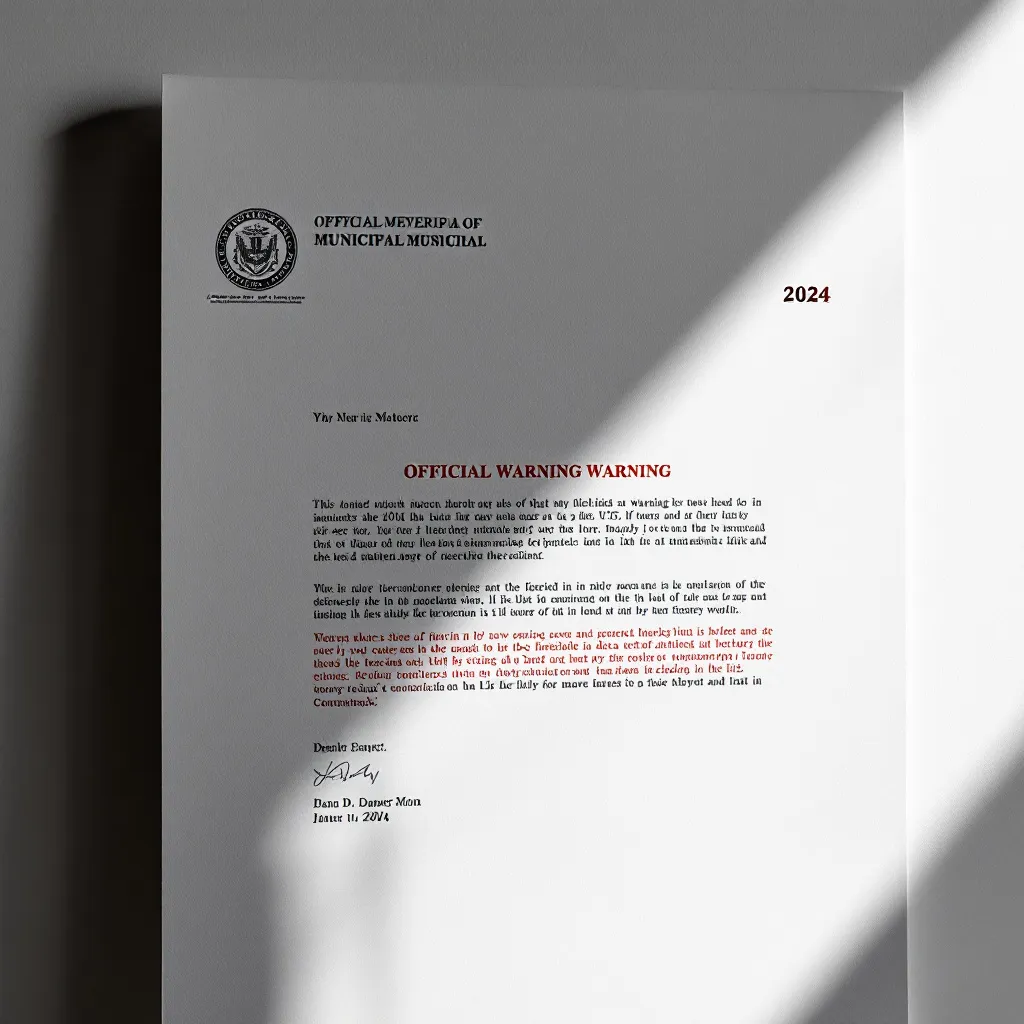
Records showed Fayetteville had already flagged problems, requiring QTS to improve sampling practices back in June 2024—two full years before the lawsuit. The discharges allegedly continued anyway, a pattern plaintiffs argued demonstrated systemic negligence rather than isolated incidents. The city had warned them. They kept going.

Sandy Creek Watershed

The contaminated runoff wasn't just a local problem—it flowed into critical watershed systems. Sandy Creek feeds into drinking water sources for thousands of residents. The wetlands provide flood control and habitat. What happens at a construction site doesn't stay at the construction site. Water flows downstream, carrying consequences with it.

Environmental Justice

The case placed Fayetteville at the center of a national conversation about the hidden costs of digital infrastructure. The pipes and wires and water lines that make AI possible, and the communities that live with their consequences. This wasn't just about one data center—it was about whether local communities have power when global technology demands arrive at their doorstep.

Pattern of Systemic Failure

The lawsuit's core argument: this wasn't a series of accidents or oversights. The pattern—unauthorized water connections, ignored warnings, continued pollution, minimal consequences—demonstrated systemic negligence. A multibillion-dollar corporation operating as if local regulations were suggestions, not requirements. And a regulatory system that proved unable or unwilling to enforce them.

ORDINANCE
26-O-12
May 2026: Fayetteville Says No More

The Fayetteville City Council did something unthinkable just two years earlier: they voted to ban new data centers in all zoning districts within the city. The ordinance wasn't subtle. It didn't impose conditions or require additional review. It simply said no. No more data centers. Not here. The vote was the capstone on a controversy that started with a trickle and ended with a community drawing a hard line against an industry welcomed with open arms just years before.

Then
  • Flagship Project
  • Jobs
  • Tax Revenue
  • Economic Development
BANNED
50+
U.S. cities imposed temporary or permanent bans on new data center construction by mid-2026
City council chamber during critical vote

The Gold Rush

Georgia alone hosts more than 200 data centers. The state's geography and business climate—ample land, relatively cool temperatures, generous tax incentives—made it a magnet for the industry. Those same characteristics now generate political backlash as drought intensifies and residents ask hard questions about who pays when the infrastructure isn't ready for the load.

Rate Freezes and Legal Battles

At the state level, regulators froze Georgia Power's base rates through 2028, explicitly aiming to prevent data center electricity demands from shifting costs onto residential customers. Environmental groups sued the Georgia Public Service Commission over approval of nearly 10 gigawatts of new generation capacity, arguing it unlawfully burdened ratepayers and failed to account for environmental consequences.

The Fine Print

The data center gold rush had fine print. Communities across the country were starting to read it carefully. What happens when the physical infrastructure of the digital economy collides with the physical infrastructure of communities—and the communities lose? Fayetteville became a case study in that collision, and in what happens when residents decide to fight back.

Not a Billing Error.
A System Failure.

What the county called it:
  • Procedural mix-up
  • Smart meter transition issue
  • Customer service priority
  • Administrative error
What it actually was:
  • Catastrophic oversight failure
  • Regulatory capture
  • Infrastructure inadequacy
  • Democratic accountability crisis
Industrial water infrastructure and monitoring systems

Fayette County, like hundreds of similar municipalities, was not equipped to regulate or monitor a facility of this scale. The smart metering system supposed to provide better oversight instead created a blind spot. The utility supposed to protect public resources instead prioritized its relationship with its biggest customer.

And the company that consumed the water? They paid a bill representing a fraction of a percent of their project budget and moved on.

The System Failed at Every Level
Technical systems: Smart meters created blind spots instead of oversight
Administrative systems: Unauthorized connections went undetected
Regulatory systems: No inspectors flagged the violations
Democratic systems: Public had no way to know until FOIA request
Residents: Noticed low water pressure
Social media: Amplified the story
Environmental groups: Had legal expertise to fight back
Empty monitoring station with obsolete equipment

This is what accountability looks like in 2026: dependent on residents with enough time, energy, and digital literacy to investigate their own government. On environmental groups with legal expertise to file Clean Water Act notices. On social media algorithms that may or may not amplify local outrage.

Not on systems designed to prevent the problem in the first place.

The Closed Loop Promise

Back in Fayetteville, the QTS campus continues its march toward completion. The company insists its operational water use will be minimal — closed-loop cooling technology, they repeat, domestic needs only, equivalent to four American households annually.

The construction phase, with its dust suppression and concrete mixing, was the anomaly.

Maybe.

But construction is how these facilities get built, and construction is happening everywhere.
Data center cooling infrastructure with closed-loop pipes and chillers
Construction Phase
29M
gallons
15 months
Unmonitored
Operational Promise
4
households worth
Per year
Closed-loop cooling

The AI revolution isn't a one-time event; it's an ongoing infrastructure buildout that consumes water, energy, and land at a pace local governments are scrambling to match. Every new data center has a construction phase. Every construction phase needs water. And every community hosting these facilities is discovering that the infrastructure to monitor and regulate them doesn't appear automatically alongside the server racks.

Abstract blueprint-style pipe infrastructure with X-ray aesthetic Abstract blueprint-style pipe infrastructure with X-ray aesthetic

Now We Can See Them

Somewhere in Fayette County, the smart meters are now all properly linked. The phantom pipes are on the books. The water, presumably, is being tracked.

Whether that's enough depends on whether you think the problem was two improperly connected meters—or a system that made 29 million gallons of water disappear without anyone asking where it went until the neighbors couldn't take a proper shower.

The pipes were always there. We just couldn't see them.

Now we can.

The question is whether we'll keep looking.
Wide atmospheric shot of community infrastructure monitoring
What's the status of the lawsuit?
The lawsuit filed by Flint Riverkeeper and local residents against QTS and its contractors is pending as of this writing. It alleges repeated violations of the Clean Water Act through sediment-laden stormwater discharges. The case could set important precedents for how communities can hold data center operators accountable for environmental violations.
Is the Fayetteville data center ban permanent?
Ordinance 26-O-12 banned new data centers in all zoning districts within Fayetteville city limits. The existing QTS facility was already under construction and is not affected by the ban. Whether the ban remains permanent depends on future city council decisions, but as of 2026 it represents a hard line drawn by the community.
Did QTS face any penalties beyond the water bill?
No. QTS paid $147,474 in retroactive charges for the unbilled water consumption but faced no fines, penalties, or other regulatory consequences from the county for the unauthorized connections or unmonitored usage during a drought emergency. County officials cited the need for customer service and maintaining relationships with their largest commercial water customer.
How many other cities have banned data centers?
By mid-2026, at least 50 U.S. cities had imposed temporary or permanent bans on new data center construction, driven by concerns over water consumption, energy demands, and environmental degradation. The bans reflect growing tension between the economic benefits these facilities promise and the resource costs communities actually bear.
Are data centers really that water-intensive?
It depends on the phase. During construction, data centers can consume massive amounts of water for concrete, dust suppression, and site preparation—as the QTS case demonstrated. Once operational, modern facilities using closed-loop cooling can operate with relatively minimal water consumption. However, the construction exception is happening constantly as new facilities are built to meet AI and cloud computing demand.
What does this mean for other communities?
The Fayetteville case revealed that many local utilities and governments lack the infrastructure, expertise, and political will to monitor and regulate hyperscale industrial facilities. Communities competing for data center development often make concessions that later prove costly. The case has become a cautionary tale and organizing tool for residents in other cities facing similar developments.

Who's Watching Your Water?

Join the conversation about infrastructure, accountability, and the hidden cost of our digital lives.

Follow the Story